
Youth Climate Lab presents…

DISCLAIMER
Re-Negotiate marks Youth Climate Lab’s first structured fee-based program. Our goal is to explore sustainable funding models that allow us to deliver high-quality, professional-development and certification opportunities while staying true to our values.
While this program has a registration fee, Youth Climate Lab continues to subsidize the majority of the program’s costs. The fees collected primarily help us compensate our expert facilitators and sustain the high-quality learning experience we aim to provide.
Pricing* & Refund Policy [Read before applying]
Individual Student & Youth - $200.00
In order to support youths and students who may be experiencing precarious employment, lower income or student incomes we have a sliding scale.
We suggest the lower end of the scale for students and youths, while the higher end of the scale is suggested for working individuals. The higher end of the scale will help support/offset some of the cost of the lower scale.Large NGOs & Institutions - $400.00
As our program is designed to support equity-seeking groups and make climate spaces more accessible for youths, we offer a large NGO and institutional rate for individuals who are completely supported by an institution or larger NGO.
This could be through professional development stipends or covered training programs.Bursaries (Limited, Fully Covered)
Our bursaries fully cover the registration fee for participation in the program. We understand that even with some of the support we are incorporating, costs can be a barrier to participation so we are aiming to provide additional support through our bursary program.
Preference will be given to youths from equity-seeking backgrounds.
*See the FAQ section for more information about our available payment plans.
Re-Negotiate: International Climate Policy and Diplomacy Fellowship is a 10-week, primarily online program with two optional in-person convenings in Toronto and Montreal, with youth-focused training and mentorship designed to equip emerging climate leaders to engage meaningfully in international climate policy spaces - before, during, and beyond international climate conference attendance.
Re-Negotiate combines expert-led training, stream specialization, mentorship, and peer exchange. Fellows build practical skills in negotiation, advocacy, and climate communications while forming long-term networks across civil society, movements, and policy spaces.



Due to demand for the program from outside Canada, we have designed two formats to ensure accessible and fair participation across timezones.
Re-Negotiate Fellowship Cohort Option - includes access to all asynchronous materials, online community space, and all live, interactive experiences/sessions
a. Live sessions will be aligned with Eastern Standard Time (EST).
b. This option is capped at 50 participants with priority given to applicants living in Canada from equity-deserving backgrounds.
c. The program fee for this option is $200 CAD.
Re-Negotiate Fellowship Independent Option - includes access to all asynchronous materials, online community space, and recorded live sessions.
a. This option is for participants whose timezone presents a barrier to participating in the cohort option.
b. There is no cap for this option.
c. The program fee for this option is $125 CAD.


applications are now closed.

Re-Negotiate equips emerging climate leaders with the skills, networks, and practical experience needed to engage more effectively in international climate policy spaces.
Through the program, fellows will join a growing national network of youth climate leaders, creating opportunities for long-term collaboration, peer learning, and collective impact. Participants will engage directly with climate policy experts through interactive sessions designed to demystify global climate negotiations and strengthen fellows’ policy engagement skills.
The program also provides mentorship and hands-on opportunities for knowledge creation, including contributing to collaborative outputs that amplify youth perspectives in climate governance.
Beyond learning, Re-Negotiate helps strengthen fellows’ pathways into global climate processes. While participation does not guarantee accreditation to international negotiations, fellows may be prioritized for limited opportunities – such as badges or travel support to SB Bonn or COP – should they become available through Youth Climate Lab.
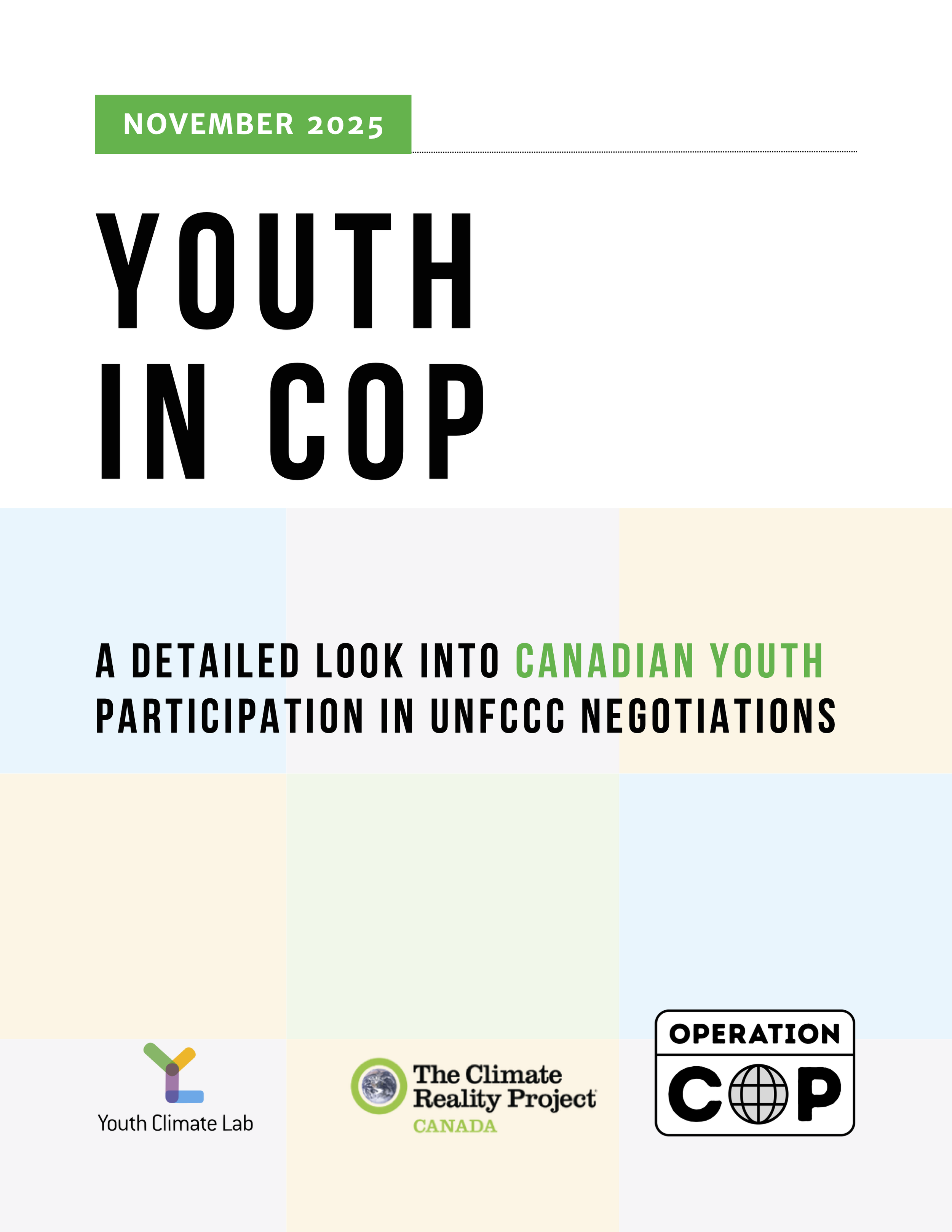
Youth In COP Insights Report
In our bilingual Youth In COP Insights Report, we highlight key learnings, reflections, and impact stories from our focus groups and research, offering a deeper look at how youth can be better supported and incorporated into the international climate conference space.
Available in both English and French, this report lays the foundation for why we created the Re-Negotiate: International Climate Policy and Diplomacy Fellowship.
COP30 opened the streets to thousands, but closed the door to many more.
COP30 was, in many ways, showcasing a positive shift. For the first time in years, public protests were permitted in the streets. Youth and civil society showed up in force. Alongside the official negotiations, a vibrant People’s Summit unfolded, and “houses” spread across the city centered conversations on the Global South, climate justice, and frontline leadership.
Seeing climate protests back in the streets mattered. It signalled that civic space, though shrinking globally, is still worth defending. The energy was real with over 70,000 marching the streets. For a brief moment, it felt like the climate movement had reclaimed some of its voice. But access on paper does not equal access in practice.
Behind the scenes, this COP was markedly less accessible than previous years. Skyrocketing accommodation prices, last-minute cancellations, changed flights, and extreme costs priced out many youth and civil society delegates. We heard repeated stories of young activists losing housing days before departure, being rebooked into unaffordable options, or being forced to cancel entirely. Indigenous representation was also difficult to access, a troubling trend for a COP so solidly focused on the Amazon where Indigenous leadership is indispensable to its climate solutions.
If COPs are meant to be an inclusive, global processes, then affordability and equitable access cannot be afterthoughts. There is significant room for improvement ahead of next year’s conference in Turkey.
And then there were the negotiations themselves. Like many COPs before it, COP30 left many participants feeling disappointed. The needle barely moved.
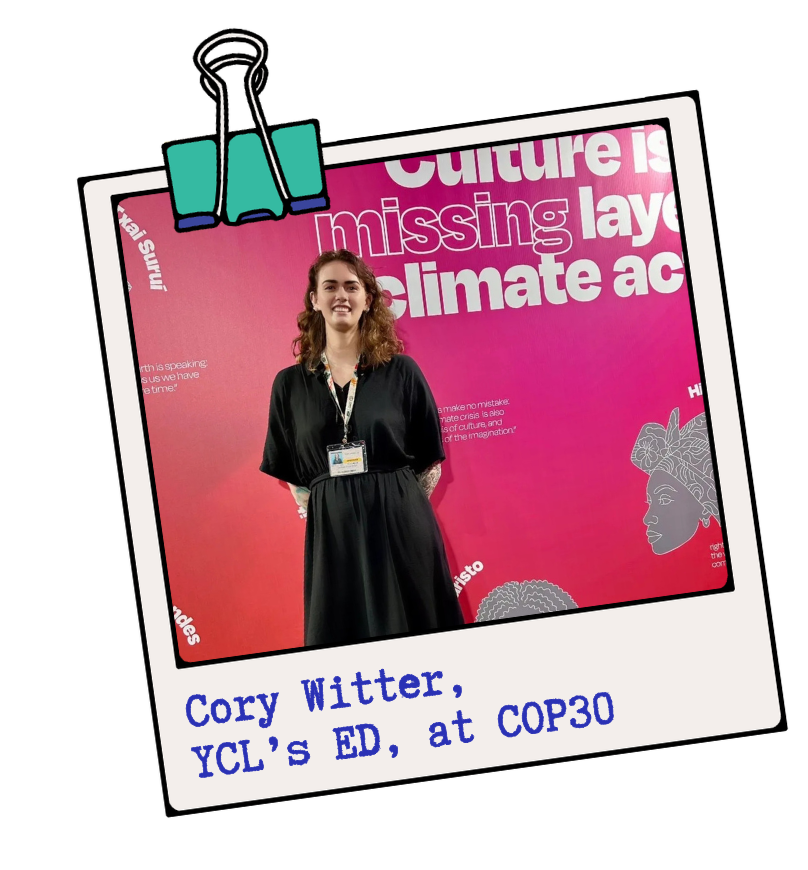
Cory’s COP30 reflections



Asynchronous Training Series
Intentionally designed with youth experiences in mind
Multiple modes of learning
Flexible + interactive
Facilitated Workshops with Experts
Expert facilitation
Group connection
Hands-on learning
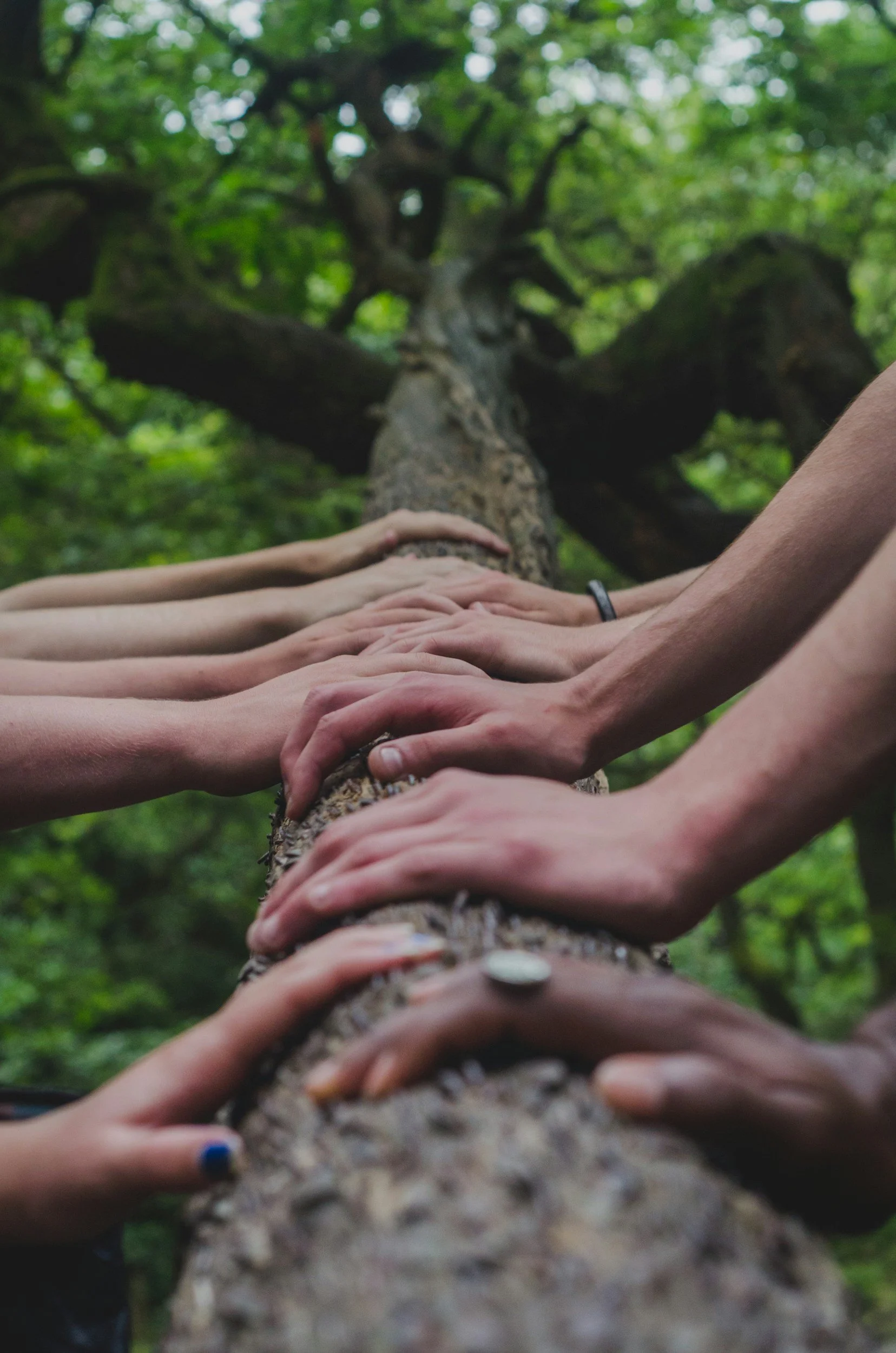
Two In-Person Convenings
Focused Environment
Being in space together
Networking

-
Asynchronous Content & Live Session
Build shared baseline knowledge about climate science and (more importantly) get to know the other Fellowship participants and staff!
-
Asynchronous Content & Live Session
Participants will begin to explore the “playing field” of international climate policy including an overview of the UNFCCC and some key milestones. During the facilitated session, participants will begin their journey grounded with tools to support and maintain mental and physical wellness within international climate policy and diplomacy spaces.
-
Asynchronous Content & Live Session
Participants will dive deeper into the principles and strategies that guide negotiations and learn the language of UNFCCC negotiations. Also, participants will work to understand the different UNFCCC tracks before working collaboratively to design a negotiation position.
-
Asynchronous Content & Live Session
This week, participants begin to understand how colonialism, racism, and inequality shape climate impacts at the national and international level before hearing from an Indigenous climate leader in the live session.
-
Asynchronous Content & Live Session
Participants will learn all about the world of climate communications and understand how to create effective advocacy objectives and targets.
-
Asynchronous Content & Live Session
This week is an in-depth exploration of participants’ chosen priority tracks, including priority negotiating items to follow during the Bonn Climate Conference.
-
Strategic In-Person Session (Toronto & Montreal)
Spend some time sharing space together in person to develop personal and collective goals for the Bonn Climate Conference.
-
Follow the Bonn Climate Conference!
Participants will follow the negotiations related to their chosen track online!
-
Asynchronous Content & Live Session
Participants will deliver a short, accessible presentation on their chosen track with opportunity to give and receive feedback.
-
Live Session
In the final week, participants will reflect on the Fellowship learning journey and plan some next steps for their unique climate action and advocacy journey.

Diego is an environmental conservation and climate action advocate, and Lester B. Pearson Scholar at the University of Toronto. As the Founder and President of Green Speaking, he leads global initiatives combining environmental education and public speaking, engaging thousands of young people across multiple countries.
His work focuses on environmental policy, youth engagement, and sustainability-related research. He has been a civil society delegate at the Plastics Treaty negotiations and various UNFCCC climate meetings, advocating for stronger environmental protections and a just energy transition.
Diego has also spoken at dozens of international forums, such as COP28, the UNFCCC's SB62, Malaysia's Rainforest Youth Summit, Korea's Global Youth Climate Challenges, and the North American Commission for Environmental Cooperation's JPAC, about various issues, ranging from plastic pollution and deforestation, to economic development and PFAs.
Diego joins Re-Negotiate as a judge for Week 2’s Mock Negotiation!
Serena is a Cayuga Wolf Clan Panamanian woman from the Six Nations of the Grand River Territory. Serena is a community-based researcher, grassroots organizer, and environmental advocate, and has worked in climate, environment, and clean energy for almost a decade.
Serena is the Managing Director at Sacred Earth, an Indigenous women-led organization supporting Indigenous communities in implementing climate solutions and healing justice.
Serena’s desire to work in climate justice and clean energy comes directly from her community of Six Nations that has long been involved in frontline work, international advocacy, and land protection, and where she has organized since she was 10 years old
Serena joins Re-Negotiate as a panelist for Week' 3’s “Centering Justice in Climate Diplomacy” module!
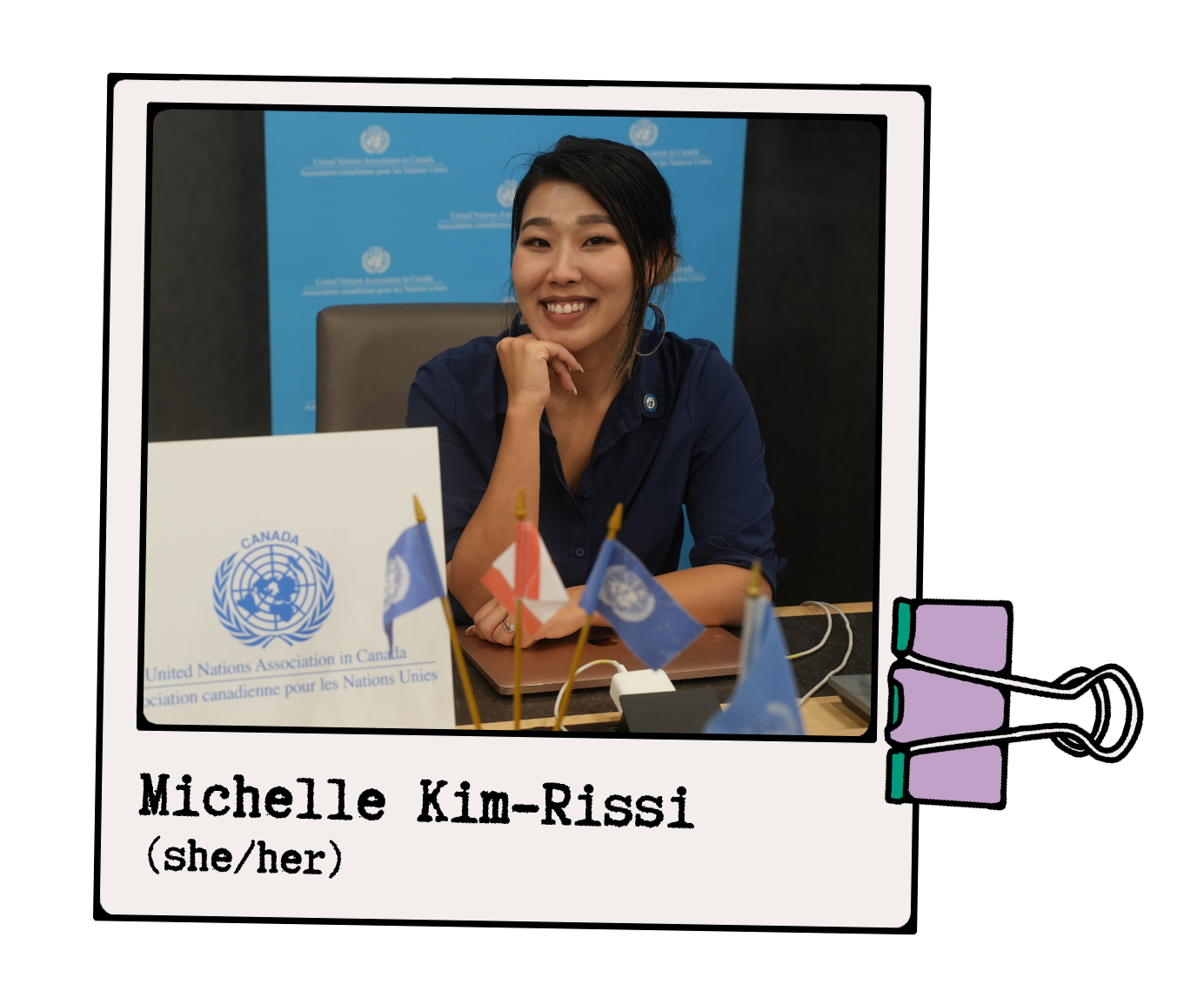
Michelle is a sustainability leader, educator, and global development professional with extensive experience in climate action, youth engagement, and international policy.
She works as programme Manager at the United Nations Association in Canada leading initiatives that empower youth to design and implement community-based environmental solutions.
Michelle has mentored hundreds of young leaders, contributed to global forums including COP and UNEA, and is passionate about advancing inclusive, community-driven approaches to sustainability and education worldwide.
Through her work, Michelle has trained and mentored hundreds of young leaders across Canada, the U.S., Mexico, the U.K., South Korea, the UAE, and beyond, fostering global collaboration, leadership, and real-world impact in sustainability.
Michelle joins Re-Negotiate as a judge for Week 2’s Mock Negotiation!
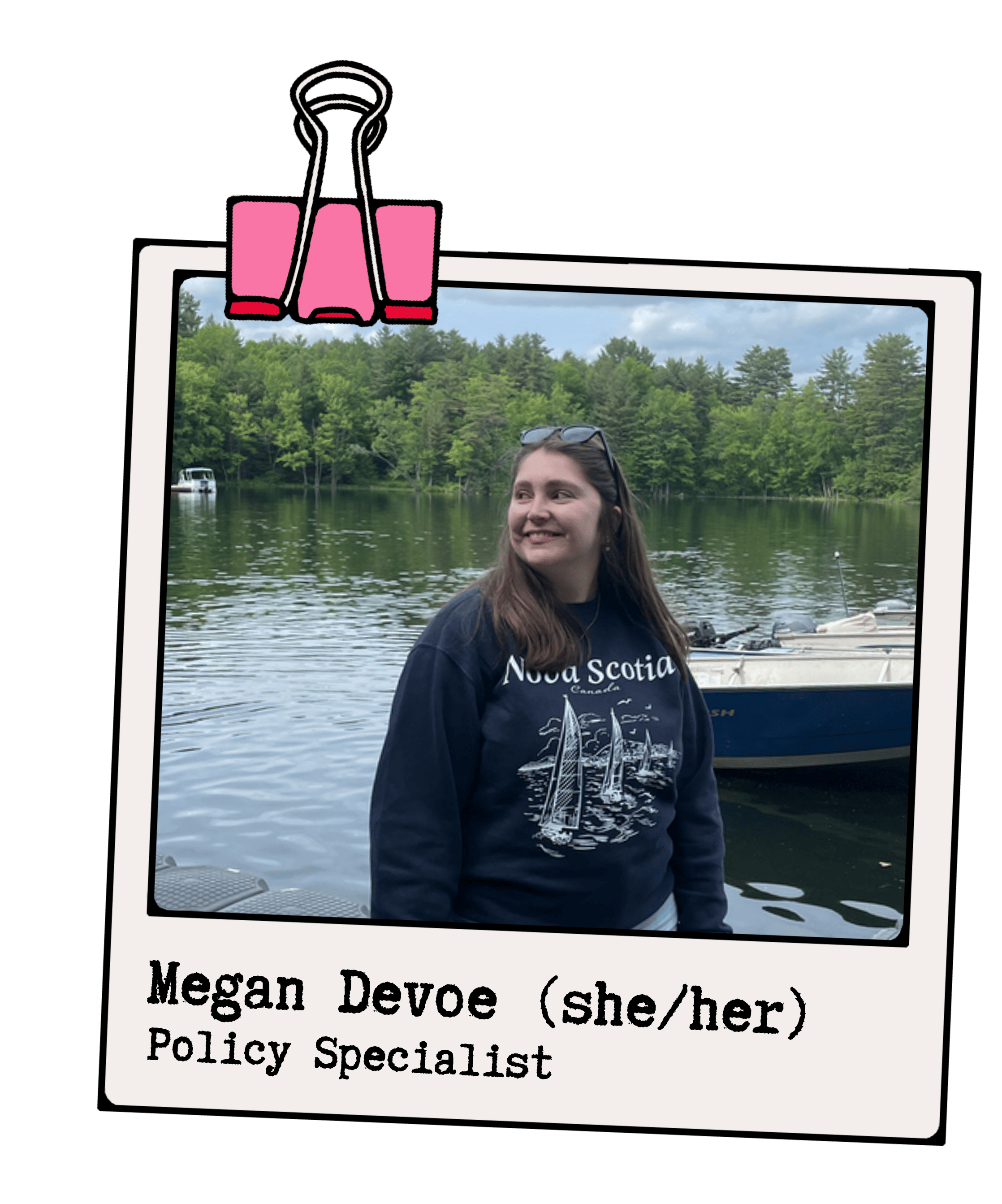
Megan is an activist-scholar currently living on the unceded territories of the Mi’kma’ki people in what is colonially known as Halifax, Nova Scotia. She is a white settler with mixed Mi’kmaw and European heritage.
Megan’s work, at YCL and beyond, is inspired by the disconnect she feels between the environment and humanity. She is currently a PhD candidate in the Labour Studies department at McMaster University. Her research focuses on the perceptions and experiences of just transition policies among workers and communities in Cape Breton, Nova Scotia who depend on fossil fuel extraction for economic survival, but at a distance through patterns of long-distance commuting.
Her academic research also explores just transition at different scales; from the international level all the way down to the local. Megan also holds a BA in Environmental Studies from Toronto Metropolitan University and an MA in Globalization and the Human Condition from McMaster University. When she's not working, you can find Megan doing a cozy hobby like reading, puzzling, or scrapbooking.
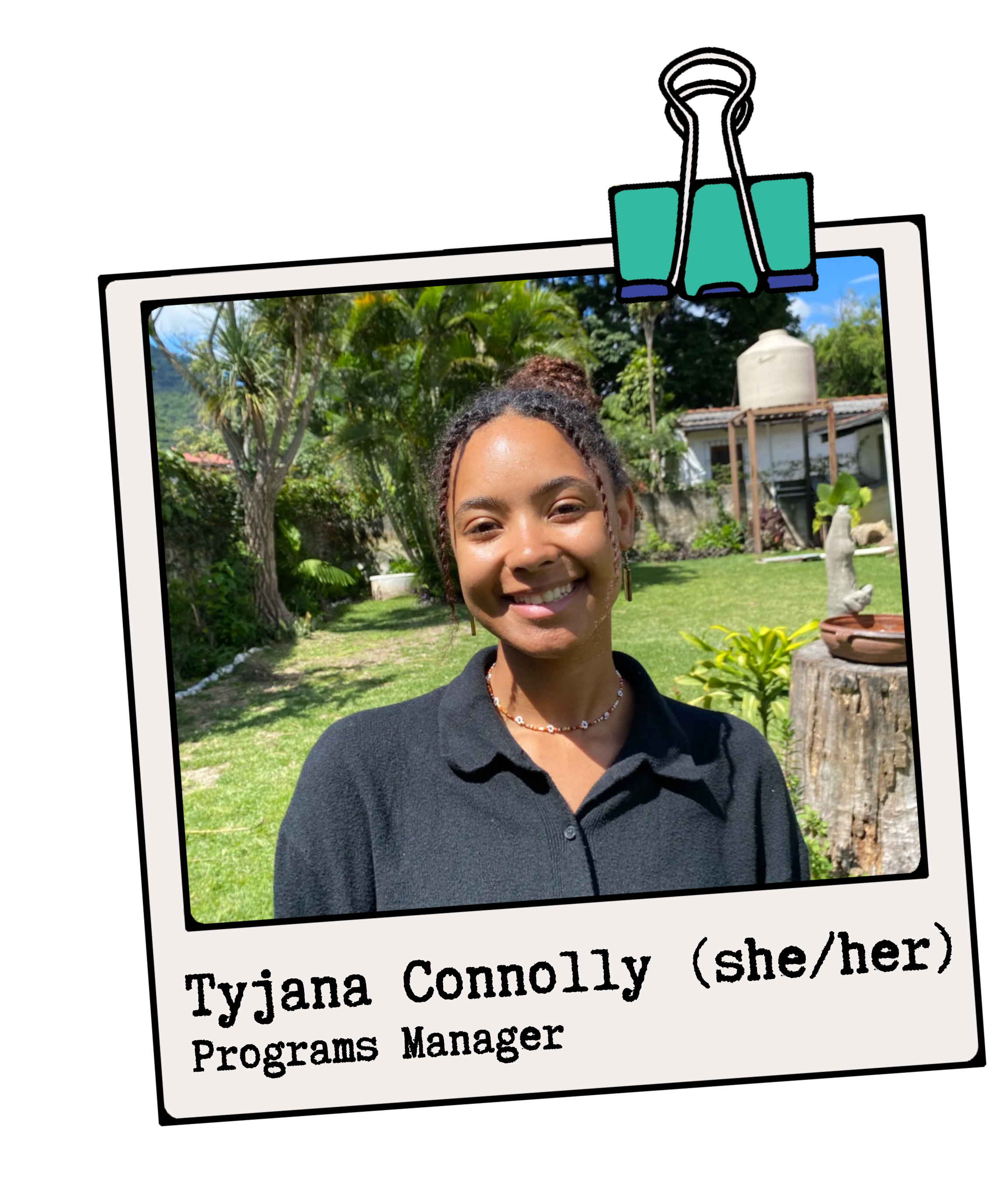
As the Programs Manager, alongside the program staff she manages, Tyjana designs and delivers YCL's programs. She also continually work to ensure our programs meet the needs of our diverse youth audiences and have their intended impacts.
Tyjana is a dedicated community builder, experienced in community engagement, program design, nonprofit management and implementing community adaptation initiatives grounded in equity, systems thinking, and empowerment.
She has a BA in Political Science and is currently pursuing an MA in Geography with a focus on community-led climate adaptation. She is a BIPOC Sustainable Fellow, recognized as a Corporate Knights 30 Under 30 Sustainability Leader and a recipient of the Paavo Aino Lukkari Human Rights Fellowship and SSHRC Canada Graduate Scholarship. Her passion is rooted in anti-racist and decolonial knowledge systems and preparing our communities for the challenges associated with environmental and climate change. Tyjana’s happy place is in the mountains and she loves music, reading & writing.


As YCL’s Digital Content Producer, Audrey leads the graphic design of our programs’ branding and promotions. They also create digital assets and support the YCL’s core communications.
Hailing from Hong Kong, Audrey is a Journalism graduate with a second degree in Cinema & Media Studies, both from the University of King’s College. In 2023, they co-directed Darlene and Truckhouse, a short documentary about a Mi'kmaw water protector, which screened at Lunenburg Doc Fest and World Water Film Festival.
With one foot in the documentary industry, Audrey is driven by communications work that explore the intersections of identity, social justice, and climate resilience. Their favourite projects provoke thought on the structures and relationships that shape our world.
In their spare time, Audrey is often found reading, hosting potluck parties, or indulging in movies so bad they’re good.

-
Fellows are selected through an application process that prioritizes alignment with Re-Negotiate’s values, interest in climate policy engagement, and commitment to collective learning. Prior experience with COPs or the UNFCCC is not required. Ability to pay does not affect selection.
-
Fellows can expect to commit approximately 5-10 hours per week over the 10-week program. This includes a mix of asynchronous learning, live sessions, and peer engagement. Live sessions are scheduled in advance, and recordings are provided when possible.
-
Fellows who complete the program receive a Re-Negotiate Certificate of Completion in Climate Policy & Advocacy, recognizing their participation in a structured training program focused on climate policy, advocacy, and international engagement.
-
Yes! To help with the cost of the program, we are offering a payment plan of $50 every two weeks beginning the week of Apr 13, 2026.
-
Re-Negotiate prepares participants to engage meaningfully in international climate policy spaces, but it does not guarantee accreditation or attendance at SB Bonn or COP31.
The program is designed to complement fellows’ existing pathways into COP spaces and strengthen their readiness to engage when opportunities arise. If Youth Climate Lab receives a limited number of badges or travel funding, a small number of fellows may be prioritized for these opportunities.
-
In-person sessions are designed to strengthen relationship-building and collective strategy. While Re-Negotiate is unable to cover travel costs, we encourage applicants who are based in or able to travel to Toronto or Montreal to participate. The program remains accessible to participants who cannot attend in person.