

Climate Ready Prairies Reflection
By Sébastien Rioux
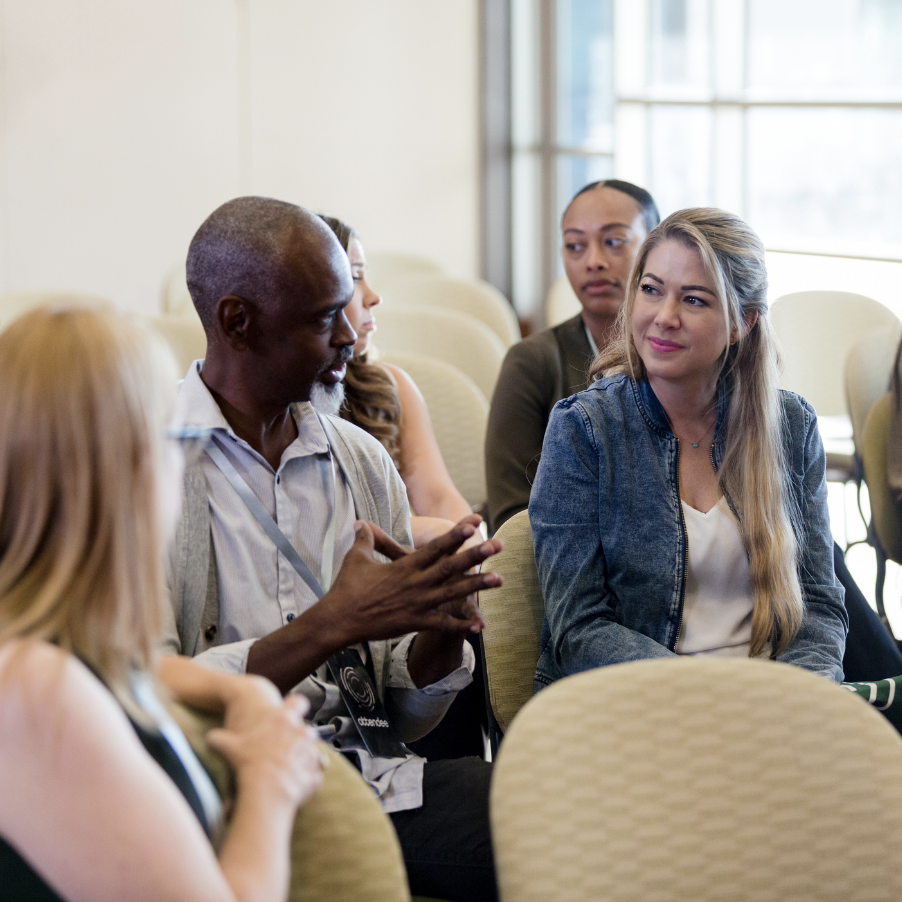
At the end of 2025, I had the opportunity to join ClimateWest’s and Re.Climate’s Manitoba Climate Adaptation Communication training, as part of their Climate Ready Prairies Project. I was new to YCL and to Winnipeg at that time, so it was my first opportunity to represent YCL at an event and a great opportunity to meet people working in Manitoba’s climate action space. It was also my first time truly interacting with this idea of “climate adaptation”, it seems to be the new hot topic in the climate action space. So I would love to share with you some of my initial thoughts and learnings from the course.
First, before diving into my thoughts about climate adaptation, I want to tell you a bit about my background in the climate action space. My work, up until I joined YCL, centered around climate emergency response and climate change mitigation efforts. I spent 4 years as a wildfirefighter in Fort McMurray, Alberta, and then I helped develop a social enterprise in the Edmonton area that focused on delivering solar installations, energy efficiency retrofits, and energy auditing services. So a lot of my experience is more hands-on and this world of climate communication, climate adaptation, and higher level policy work is all quite new to me.
But I was pleasantly surprised to discover that much of our climate adaptation discussion centered around how to adapt to the realities of wild fires and particularly wild fire smoke, something that I obviously have much experience with. Unpleasantly, however, the discussion revolved around wildfires because of the recent and devastating impact that wildfires had on Manitoba in 2025. What I found fascinating about this discussion and the need to adapt to this new reality, is this idea that whether or not you believe in climate change or wherever you are on the political spectrum, you can’t deny that there is wildfire smoke in the air. It affects us all. Sports leagues, festivals, work sites, schools, your evening walk, your community, your family, your eyes, your lungs etc. are all impacted. The direct impacts of wildfires and wildfire smoke are undeniable when they’re in the air you breathe and the community you live in. In this way wildfire smoke and its impacts transcend our societal divisions. They force us to respond and to adapt.
So in that, I see that there is a beauty to the opportunity that climate adaptation presents us. The beauty starts from the fact that humans are supposedly the most adaptable species on the earth. Our adaptability is what has allowed us to live and thrive in all the different regions and climates of the earth. So in a sense climate adaptation and its associated calls to action are right in our collective human wheelhouse! We can work from our strengths. Another thing I found beautiful about the call to adapt is that we should start with what we already have, instead of focusing on what we don’t have. An important message generally for a society that struggles to comprehend the word “enough”. It challenges the idea that we’re going to produce and consume our way out of climate change. And it's an invitation to be creative! And lastly I find climate adaptation beautiful because it invites us into local collective action that responds to the realities facing the communities we live in. It transcends the politicization and divisiveness of current climate change rhetoric and calls for creative responses to lived realities.
However, there is a dark side to climate change adaptation. There is a feeling that adaptation pacifies calls for truly transformative change. It's something that the government and corporations are currently willing to invest in because it's not as radical as addressing our over reliance on fossil fuels, or shifting our economy away from consumerism, capitalism, and extractivism. It's a middle of the road approach, which isn’t all bad because it will become a call to action with wide appeal, but it shouldn’t be lost in all this that adaptation isn’t addressing the fundamental systemic changes that we still so desperately need to make. Therefore, I feel that we must work to creatively adapt to our realities as local communities AND we must continue the work of transforming the damaging effects of our current societal systems. There’s a cost to getting too good at adaptation.
I greatly appreciated the opportunity to learn more about climate adaptation work and how best to communicate it. Thank you ClimateWest and Re.Climate for all the work that went into planning and organizing the course! I’m grateful to have learned and connected with so many intelligent and thoughtful people. It helped make connections in the local climate action scene in Winnipeg. I hope to lend my voice and skills to the Winnipeg community as we creatively adapt to the realities of climate change AND work to radically address the root causes that create the need to adapt in the first place. I encourage you to find that community of people wherever you find yourself currently and do the same. If you need any help doing so, don’t hesitate to reach out to our YCL team!
- Sébastien Rioux